- The Lindy Newsletter
- Posts
- Staying Light in the Winter
Staying Light in the Winter

Paul Skallas
December 03, 2025
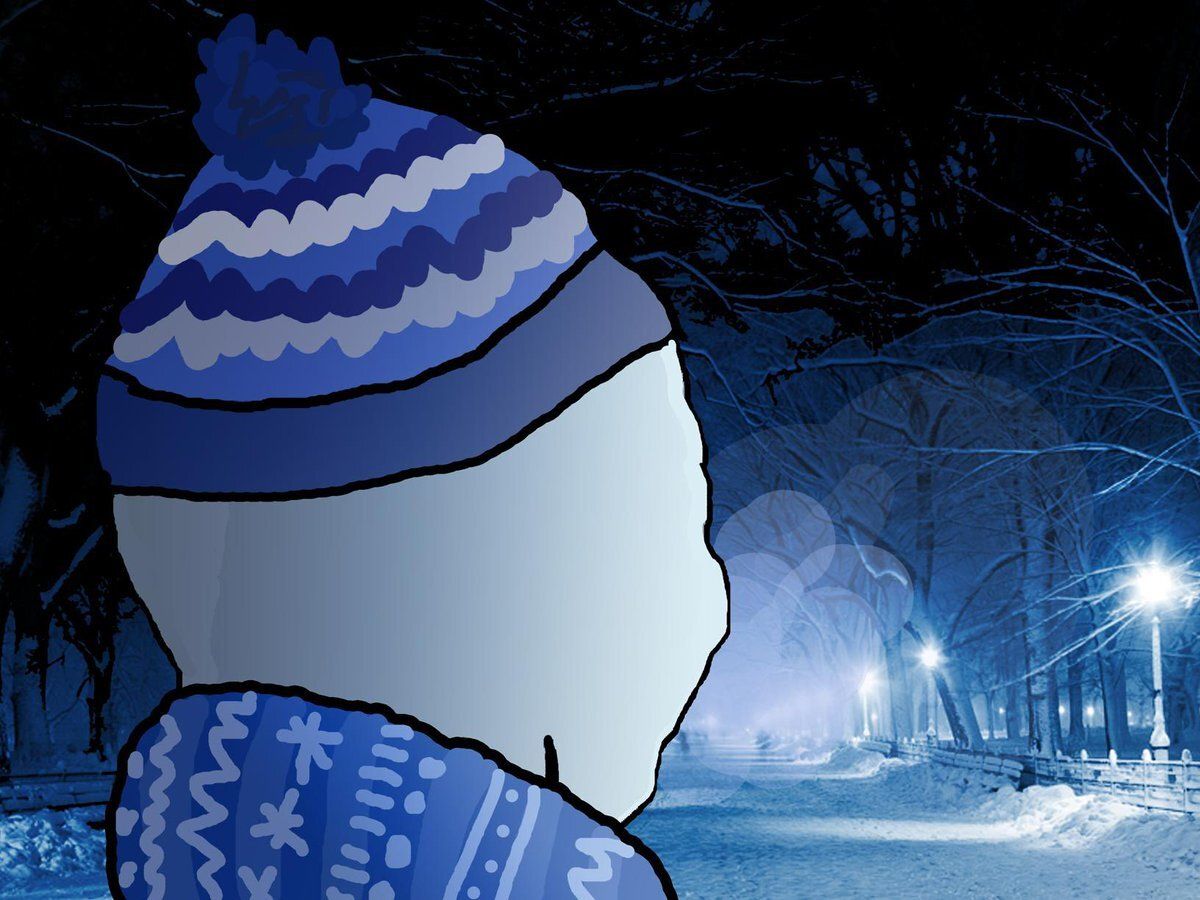
People say talking about the weather is small talk. We treat it like the lowest form of conversation, a filler, something you say when you have nothing else. But that's wrong. The weather isn't small at all. The weather is one of the few forces that directly alters your mood every single day.
If your mood shifts, your behavior shifts. And if your behavior shifts, your life shifts. So when people talk about the weather, they're not avoiding real topics. They're circling the biggest, most universal variable shaping human life.
And winter is when that variable hits hardest.
Winter starts the moment the light collapses. For me, that moment is right now. We’re in it. That’s because winter isn’t about the cold. Cold is a solved problem. We can wear excellent coats made of Melton wool or Sherling
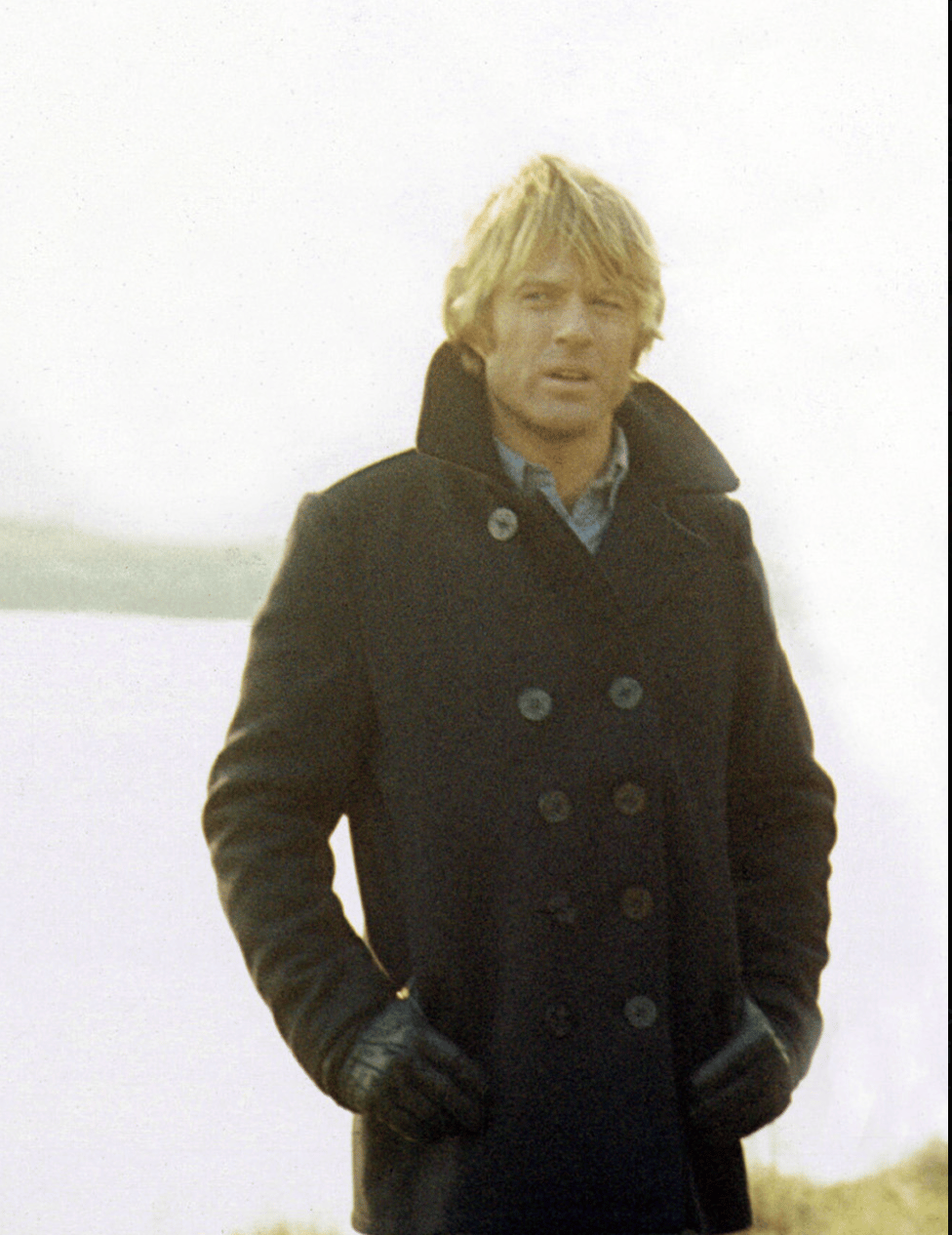
we have cars that glide over snow, heating systems that run silently. The infrastructure of warmth is mature everywhere. We humans have conquered the cold.
We may have done too good of a job of it though. Cold isn't even the enemy. It isn’t even bad for you in bursts. We now know about the importance brown fat development, endorphin release and metabolic adaptation.
Cold exposure is a legitimate health practice now. Instead of brutal cold showers in the morning, you can just walk outside in the winter.
@joeythurmanfit COLD RUNS AND WALKS! #coldtraining #coldtherapy #biohacking #brownfat #metabolismbooster #newyearstips #newyearsresolution #newyearnewme #theminimum
Winter is about light, or more precisely, the absence of it. Once daylight shrinks, you’ve entered winter regardless of the thermometer. And everyone feels this shift. We can feel something darker creeping in, mood tilting, energy narrowing. People acting skittish. Your mental health gets tested during this season. The sun is not your ally anymore.
If you’ve lived somewhere cold with blue skies, you already know, cold isn’t a big deal. Light is what matters. Colorado in January feels better than Chicago during a gray December. Minneapolis at 10°F is psychologically easier than 30°F under low clouds. Research on personal wellbeing emphasizes the importance of duration of sunlight during the day. The same temperature with or without sun feels like two different planets.
The Modern Light Problem
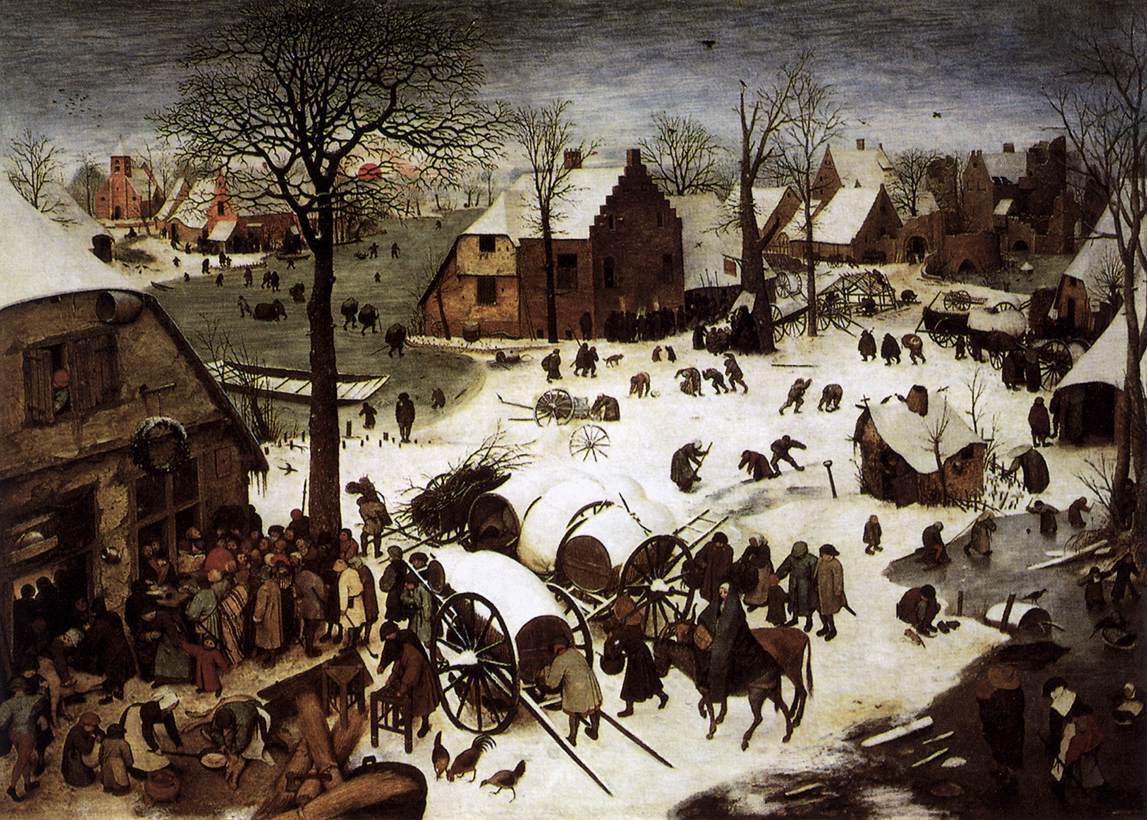
One of my favorite painters is Pieter Bruegel. if you get the chance, the Kunsthistorisches Museum in Vienna has most of his work. What makes Bruegel interesting is that he painted peasants doing ordinary things. He was one of the first painters to take winter seriously as a subject. What were people in the past doing?
What you notice in his paintings is that everyone is outside. It’s clearly freezing, but people are everywhere, hunting, gathering wood, skating, walking between buildings.
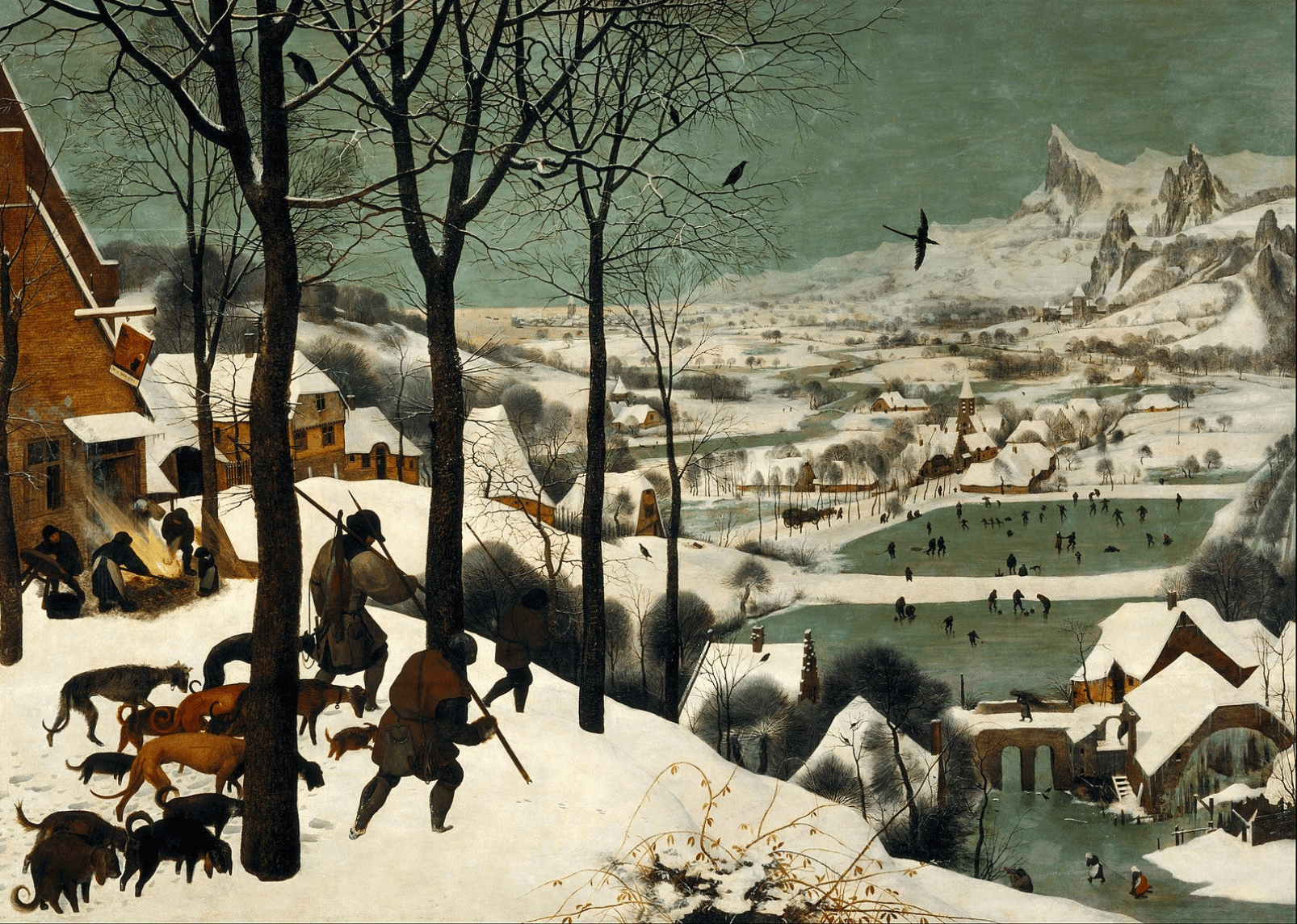
Ancestral winter was still a daylight society. Work required being outside, which meant even weak winter sun struck your face for hours. Their winters were harsher than ours, but their light exposure was far higher.
Modern winter is the opposite. We wake to a little light, spend the entire day under artificial illumination, then come home in darkness. The average office worker today gets less natural light than any human in history.
The consequence is a body adrift. When you wake in darkness and live under weak light, your circadian rhythm drifts. Melatonin rises earlier, giving you afternoon heaviness and fragmented sleep at night. The system is starved of its core signal.
Winter is a Heavy Season: The Stimulant Override
The lack of light changes our behavior. When daylight diminishes, our chemistry reorganizes around darkness. We become less outgoing, more avoidant, more comfort-seeking. Our appetite increases, willpower drains. You become the winter version of yourself.
Northern Europe has lived with this forever.
@sophiefalke Sweden and its darkness in winter..Is it really that bad? 🤔 This is one question I get asked quite regularly. But let me tell you - it is... See more
Their modern response has been consistent, dose against it. Finland drinks more coffee per capita than anywhere on earth. So do Norway, Sweden, Denmark, Iceland. The nations with the least daylight lead the world in caffeine consumption. This is not a coincidence.
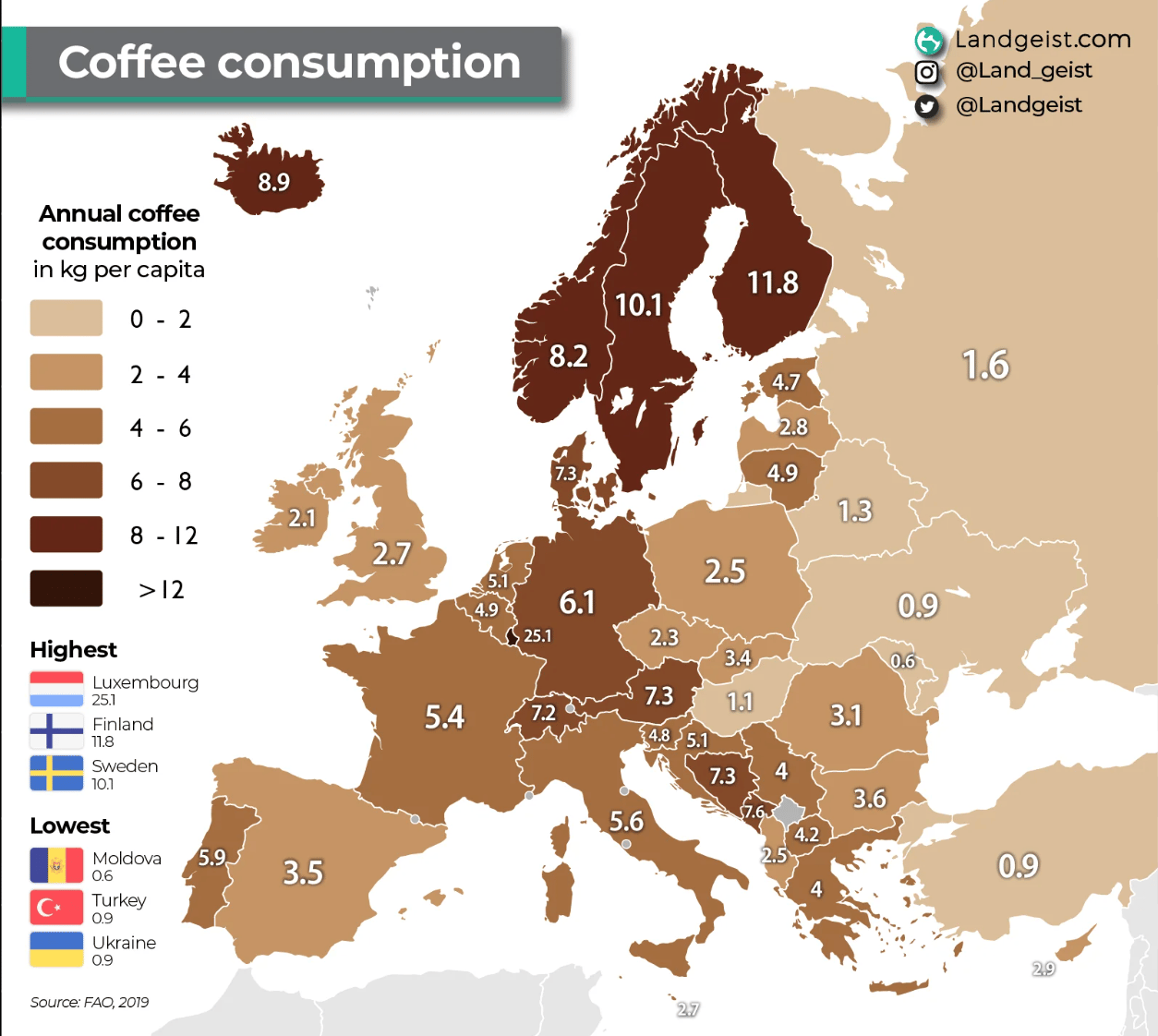
They also dose heavily with nicotine. Winter makes you heavy. Stimulants make you light.
Does it work? Somewhat. Finland has the highest coffee consumption in the world and also some of the highest rates of seasonal affective disorder in Europe. Lots of SSRI use in the nordic nations.
The more refined modern hope is vitamin D. The logic seems intuitive, low levels are bad, so higher levels must be better. The “sunshine vitamin” became an easy sell, a billion-dollar business.
Vitamin D to the Rescue?
But the promise is fracturing. New, large-scale studies show that vitamin D supplementation does not reliably improve the things sunlight does: bone health, fracture risk, cardiovascular outcomes.
The failure likely isn’t the nutrient, but the delivery. We are asking a single, purified molecule to replace a vast, complex system, the sun.
Evolutionarily, vitamin D was never consumed in isolation. Humans encountered it through whole systems, sunshine, fatty fish, eggs, animal liver. It came embedded in a dense matrix of other fats, proteins, and cofactors. Not a single pill. Pathways matter.
Nothing replaces sunlight. It is imperative to go outside in winter daylight. But if you eat fatty fish most days, you will get the nutrient as part of that ancient matrix. One palm sized portion of wild salmon, herring, or sardines delivers enough.
@motivationaldoc Salmon… The Powerful Source of Vitamin D! #drmandell #motivationaldoc #youtuber #youtube #salmon #vitamind #health #fypシ
A teaspoon of cod liver oil, the old Nordic habit, does the same.
This ancient emphasis on eating fish in the winter is found even in the original Christian dietary calendar. Weird, right? Was this intentional? Did they intuit the benefits of vitamin D in fatty fish? Or were they preserving an older seasonal logic, an inherited winter technology encoded in tradition long before anyone understood the mechanism?
Because winter is, at its core, a season of contraction. When you zoom out, every traditional winter technology, culinary, architectural, social, follows the same pattern, a steady background heaviness punctuated by deliberate, strategic bursts of heat and energy. The season compresses everything, metabolism, behavior, mood, time itself.
Boiling is the Universal Winter Rhythm
Seasons have patterns. Winter's pattern is entropy. Things slow down, stiffen, and contract. Energy disperses.
The traditional response was not to create a constant summer, like we try to do today, but to introduce a counter-pulse, a brief, targeted reversal.
The simplest form of this is boiling. Boiling is a foundational winter technology.
Boiling is the physical definition of the "surge" or counter-pulse. You take the cold, stiff, difficult ingredients of winter (hard grains, tough meat) and apply the most intense force possible, the application of moist, sustained heat, to fundamentally transform them. This transformation is an active and intense intervention against the stagnation of the cold season..
Every old winter technology follows this cadence, think about the sauna, the stew, the hot bath, the felted wool coat, the mulled wine, the quick gathering with neighbors. Each one creates a controlled spike of warmth against a cold background, then lets you settle back down. These moments work because they break the cold, not because they replace it. You feel the warmth because you've been cold.
Spring reverses the demands. Sunlight returns, metabolism accelerates, and movement becomes possible again. Cultures stop boiling and start drying. Fruit dries in the sun, clothes hang in the wind, meat strips hang from rafters. Winter forced you to stay put, boiling let you survive stillness. Spring makes us want to explore. Like the strong spring wind drying wet things. You crave soup in winter, but in spring that same bowl feels wrong.
1) Boiling Food: Every culture has a winter specific dietary pattern that converges to boiling.
2) Boiling Air: Heating air in short bursts instead of maintaining constant warmth
3) Boiling the Mind: Short, intense pulses of warmth and connection that keep people sane through the darkest months.
Boiling Food